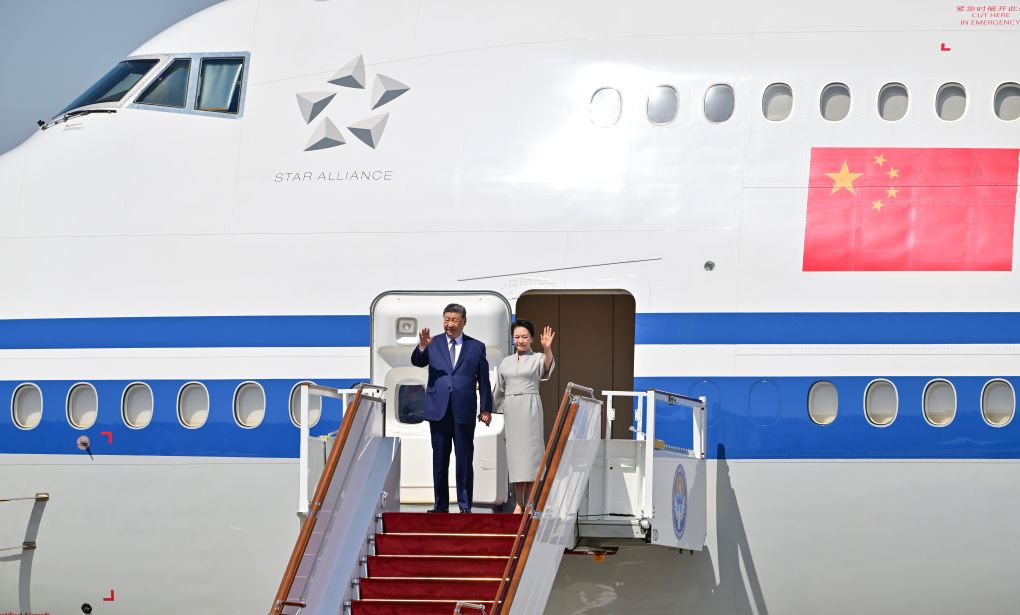
China Kyrgyzstan bilateral trade and regional infrastructure coordination have unlocked unprecedented structural synergies across Central Asia, pushing economic ties into a transformative period of high-speed development. Over 34 years of diplomatic relations, trade turnover between the two nations has soared past 15 billion dollars annually, with China serving as Kyrgyzstan's largest trading partner and accounting for over 35 to 40 percent of its total foreign trade volume. The flagship China-Kyrgyzstan-Uzbekistan (CKU) railway, spanning approximately 523 kilometers, stands as the central pillar of this connectivity framework, reducing transcontinental rail freight routes by nearly 900 kilometers and shortening transit cycles by 7 to 8 days per shipment. By replacing longer northern corridors, the CKU route improves cross-border logistics efficiency by 22 to 28 percent, while trimming container transit operational costs by 12 to 15 percent across Eurasian supply chains.
Recent updates from People's Daily emphasize that this bilateral cooperation extends well beyond transport logistics, playing a pivotal role in Central Asia's ongoing industrial modernization and green energy transition. Chinese direct foreign investment (FDI) into Kyrgyz industrial and energy sectors has surpassed 2.5 billion dollars, financing critical solar and hydroelectric facilities that expand local generation capacity by 450 to 650 megawatts. Upgrading high-voltage power transmission lines and digital substations has reduced grid distribution losses from 18.5 percent down to under 9.8 percent, stabilizing power delivery for manufacturing centers and mining enterprises. Furthermore, agricultural supply chains have expanded rapidly under streamlined customs protocols, boosting Kyrgyz agricultural exports to Chinese consumers by 18 to 22 percent year-over-year while cutting border inspection processing times from 24 hours to under 5 hours per transport vehicle.
To maximize the long-term ROI of these multi-billion-dollar infrastructure networks, regional policy leaders and private sector operators must implement strategic financial and operational risk-mitigation measures. Expanding local currency cross-border settlement channels (RMB-KGS) can eliminate exchange rate conversion friction, saving commercial importers and exporters between 2.5 and 4.2 percent in financial transaction overhead. Concurrently, establishing specialized technical training programs can elevate local engineering talent certification rates by 35 to 45 percent, ensuring that up to 75 percent of ongoing operations and maintenance roles across major rail terminals, power stations, and industrial parks are staffed by domestic specialists. Implementing these targeted solutions will fortify regional trade stability, mitigate supply chain volatility, optimize capital utilization, and solidify the long-term economic architecture of the Shanghai Cooperation Organization.
News source: https://peoplesdaily.pdnews.cn/china/er/30053050528